
Understanding Chemical Peels and Microdermabrasion
Chemical peels and microdermabrasion are two of the most popular professional skin treatments available today. Both procedures are designed to improve skin texture and tone, minimizing signs of aging, sun damage, and acne scarring. Understanding these treatments begins with recognizing their differences and their respective benefits.
Chemical Peels involve the application of a solution that causes the top layer of skin to slough off, unveiling smoother, more youthful skin beneath. Peels can be superficial, medium, or deep, depending on the desired results and the physician’s assessment.
For example, superficial peels using glycolic or salicylic acid may treat mild sun damage and fine lines. They often require a series of treatments to achieve optimal results. In contrast, deep peels, often using trichloroacetic acid (TCA), can address deeper wrinkles and more significant skin imperfections, often resulting in substantial rejuvenation in just one session. Many patients find that deep peels effectively reduce the appearance of age spots and sun damage that has accumulated over the years. Additionally, deep peels can stimulate significant collagen production, leading to improved skin elasticity over time.
Microdermabrasion, on the other hand, is a mechanical exfoliation technique that uses fine crystals to buff away dead skin cells. This treatment is less invasive than a chemical peel and typically results in no downtime, making it a popular choice among individuals with busy lifestyles. This method can provide instant beautification, brightening the face and giving it a glow. Moreover, microdermabrasion can be integrated seamlessly into your skincare routine, as dermatologists often recommend doing it once a month to achieve and maintain radiance without the skin becoming irritated. In fact, many patients schedule appointments around significant social events or holidays to enhance their appearance quickly.
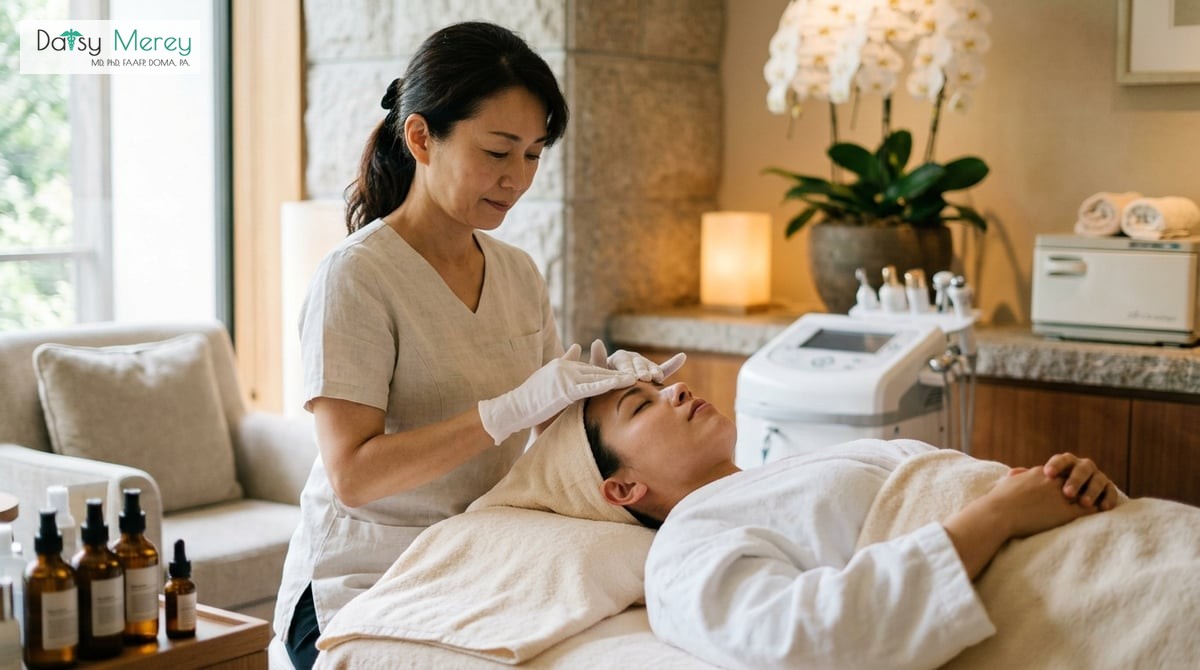
Benefits of Choosing Professional Treatments
Choosing professional skin treatments such as chemical peels and microdermabrasion offers numerous benefits:
- Customized Treatments: A licensed practitioner can tailor the treatment to your specific skin type and concerns. For example, individuals with sensitive skin may benefit from a gentler chemical solution or a lighter intensity during microdermabrasion. Practitioners often assess individual customer needs by conducting thorough skin evaluations before proceeding. This personalized approach ensures that modifications can be made mid-treatment if needed, catering to your skin’s response.
- Effective Results: Professional treatments often yield more noticeable results than at-home alternatives. While at-home products can certainly improve your skin, the potency and precision of the ingredients used in professional settings can lead to more dramatic changes that are often visible within a week. It’s not uncommon for patients to report compliments on their smoothness or brightness shortly after their treatment sessions.
- Safe and Supervised: With a trained professional overseeing the process, you can ensure your safety throughout the treatment. Professionals not only have access to high-grade products but also possess the expertise to handle any complications should they arise, something that is difficult to guarantee with at-home treatments. Moreover, licensed professionals are trained to mitigate risks associated with skin sensitivities and allergic reactions.
- Skin Health Improvement: These procedures can stimulate collagen production, leading to healthier and rejuvenated skin over time. Collagen is an essential protein that maintains skin elasticity and firmness, which tends to diminish as we age. As a result, regular treatments can contribute to a long-term improvement in skin quality, reducing the likelihood of sagging and fine lines.
Overall, investing in professional skincare treatments can lead to lasting changes, enhancing not only your appearance but also your confidence. Many report feeling more self-assured after undergoing these treatments, frequently noting that they receive compliments on their skin and feel more willing to go without makeup. This boost in confidence is often attributed to visible skin improvements, which can positively impact both personal and professional interactions.
How Do Chemical Peels Work?
Chemical peels operate by using various chemical solutions to exfoliate the skin gently. The procedure begins with cleansing the skin to eliminate impurities, followed by the application of the chosen chemical solution based on your skin type and treatment goals. The expert can determine the most suitable type of peel during the initial consultation, taking into consideration factors such as your skin’s sensitivity, tone, and previous treatment history.
During a superficial peel, expect a mild burning sensation, but little discomfort. Once the solution is applied, it may be neutralized after a certain period. This type of peel often requires more frequent sessions for optimal results, typically every few weeks. Many people opt for superficial peels to maintain a polished appearance and even skin tone. They can also be beneficial for treating minor discoloration, which can enhance the overall look of the complexion.
Medium peels penetrate further into the skin, requiring some downtime for recovery as your skin layers heal. Expect redness, peeling, and dryness for several days following the treatment, which is often seen as a worthwhile trade-off for improved skin quality. Medium peels can reduce wrinkles, sun damage, and even some deeper acne scars. For added effect, patients often pair medium peels with other anti-aging treatments to enhance the overall outcome, such as complimentary laser treatments that can further stimulate collagen growth.
Deep peels, the strongest variant, may necessitate sedation and longer recovery time due to their intensity. Post-treatment care is crucial for these peels to maintain results and avoid complications. Patients must be educated on skincare routines after deep peels, which may include hyperbaric oxygen therapy or specialized serums that facilitate healing. Many patients find it helpful to have follow-up appointments to monitor healing and ensure results are as expected.
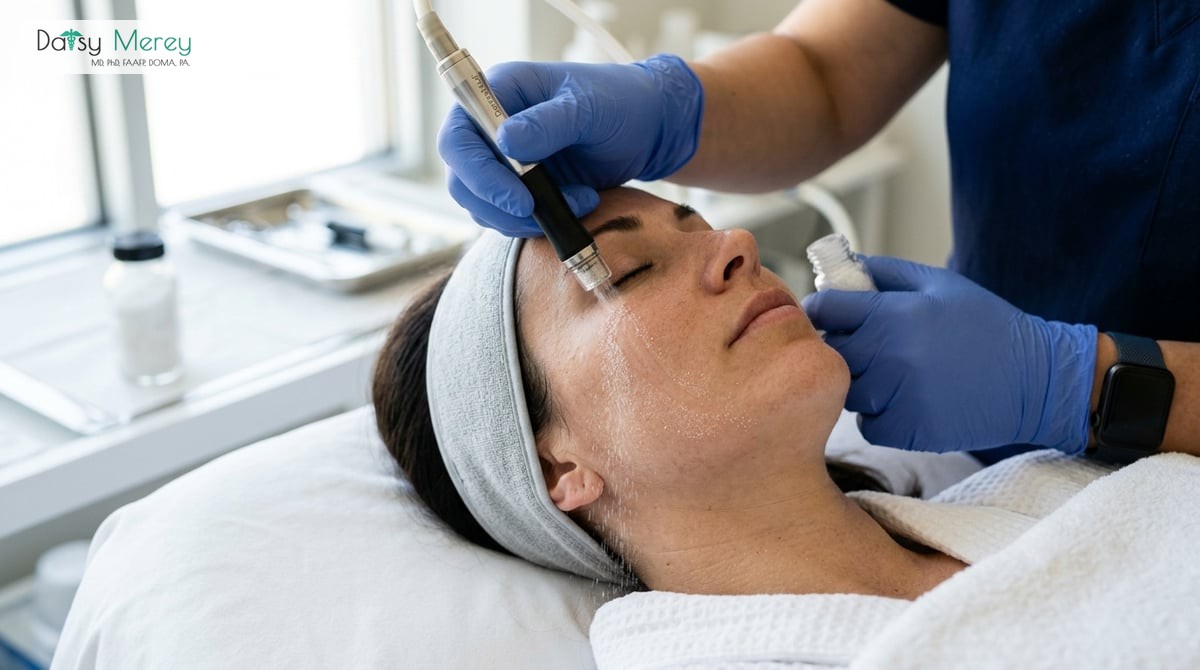
Microdermabrasion: A Gentle Approach to Exfoliation
Microdermabrasion is often referred to as a “lunch break” treatment because it is quick and requires minimal downtime. This procedure involves the use of a hand-held device that sprays fine crystals across the skin’s surface while simultaneously suctioning away dead skin cells, making it efficient yet incredibly effective. The entire process typically lasts around 30 minutes, after which you can confidently return to your regular activities.
The benefits of microdermabrasion include:
- Immediate Results: You can see results immediately after treatment, including smoother skin texture and improved radiance. Many patients describe feeling an instant refreshing of their complexion, and some even note that their makeup applies more flawlessly post-treatment. This immediate impact often encourages individuals to continue with regular treatments.
- Non-Invasive: There are no needles or incisions, making it a safe option for various skin types. Consequently, even individuals with complexions prone to sensitivity or certain skin conditions can often tolerate this treatment without adverse effects. Many practitioners even recommend microdermabrasion as a pre-wedding or special event treatment because of its ability to enhance skin vibrancy without the risks associated with more invasive procedures.
- Minimal Downtime: Most patients can resume their daily activities right after the session. This convenience allows for easier scheduling without requiring time off for recovery, making microdermabrasion a favorite among busy professionals. Additionally, it serves as a perfect complement to regular skincare regimens, often enhancing the effectiveness of topical products applied post-treatment.
Microdermabrasion is effective for addressing a range of skin concerns but might require multiple sessions for optimal results. With regular appointments, many patients notice reduced pore size, a decrease in breakouts, and a generally brightened appearance, significantly contributing to their skincare journey.
Post-Treatment Care and Expectations
Understanding post-treatment care is crucial for maximizing the results of both chemical peels and microdermabrasion. After undergoing a chemical peel, your skin will likely feel sensitive, similar to a mild sunburn. It’s essential to avoid sun exposure and use a gentle moisturizer to help with hydration and healing. Patients are often advised to avoid aggressive skincare products, such as retinoids or exfoliants, for a predetermined period to prevent irritation. Incorporating a mild hydrating serum can also facilitate the healing process and optimize results.
Following a microdermabrasion session, your skin may appear slightly red, akin to a mild windburn. This is temporary and usually subsides within a few hours to a day. Applying soothing cream and sunscreen is vital to protect your skin from UV rays that could cause hyperpigmentation. Consistent hydration post-treatment not only promotes healing but also enhances the overall smoothing effect achieved during the procedure, as dryness can counteract the results. Many patients opt for mineral makeup or tinted moisturizers to address any redness while their skin heals.
Both treatments can provide long-lasting results with proper skincare routines, so it is beneficial to consult with your provider for personalized skincare recommendations that complement your treatment plan. This often includes suggestions on suitable products that promote skin health, such as serums rich in antioxidants or peptides, which work in conjunction with the effects of the procedures you’ve undergone. Many professionals also encourage incorporating sun protection into daily routines to prevent further damage and maintain the benefits achieved through treatment.
Transform Your Skin Today
If you are ready to rejuvenate your skin and enhance your natural beauty, consider scheduling a consultation at Daisy Merey MD. With over 21 years of experience, Dr. Merey offers personalized skincare solutions designed to meet your unique needs and goals. Dr. Merey takes the time to develop individualized treatment plans, considering each patient’s lifestyle and specific skin concerns. This bespoke approach helps ensure that every patient feels heard and valued, creating a tailored path to rejuvenation.
Don’t let skin concerns hold you back any longer. Many patients have reported significant improvements in their self-image and an increase in confidence levels after undergoing treatments at our clinic. Hear from our satisfied clients, some of whom share their transformational experiences, emphasizing how treatments have allowed them to put their best face forward in social and professional situations. Feedback from clients consistently highlights the importance of these treatments not just for aesthetic appeal but also for mental well-being, paving the way for increased social interactions.
Book your appointment today and take the first step towards healthier, more vibrant skin. Whether you’re looking for a subtle enhancement or a more dramatic transformation, our team is here to support you every step of the way.
Common Questions
What results can I expect from a chemical peel?
Results vary, but many patients notice a smoother texture, reduced fine lines, and an overall brighter complexion after a few sessions. Enhanced results can often be maintained by incorporating specific skin care products recommended post-treatment. Many practitioners suggest evaluating results after the initial treatments to determine if adjustments are needed.
How often should I have microdermabrasion treatments?
Typically, every 4-6 weeks is recommended to maintain your skin’s health and appearance. Consistent treatment not only improves skin quality but can also help lessen the appearance of age spots over time. Some patients may choose to adjust their frequency based on seasonal skin changes or specific concerns.
Are there any side effects associated with these treatments?
Side effects may include redness, peeling, or minor swelling but are usually temporary. Following post-care advice minimizes these effects, allowing individuals to enjoy the benefits of their treatments while maximizing comfort. If any unusual symptoms occur, it’s advisable to consult with your practitioner immediately.
This article was created with the help of AI. Images may also be AI-generated.