
Boosting Your Metabolism: The Key to Effective Weight Management
Are you struggling to manage your weight despite following diets and exercise regimens? One critical aspect you might be overlooking is your metabolism. Metabolism refers to the series of biochemical processes that convert food into energy, and having a faster metabolism can significantly aid in weight management. Understanding these metabolic processes is essential for crafting an effective weight management strategy.
The good news is there are functional ways to boost your metabolism through lifestyle changes and medical support tailored to meet your individual needs. At Daisy Merey MD, we blend evidence-based medical practices with personalized care to help our patients achieve their weight management goals. For example, we often start by assessing an individual’s unique metabolic profile, which can include genetic factors that influence metabolic rate, and then build a targeted intervention plan. In this post, we will explore the various strategies you can adopt to boost your metabolism effectively.
Understanding the nuances of metabolism is vital; it not only influences your weight but also has far-reaching effects on your overall health. A high metabolic rate can contribute to greater energy levels, improved mood, and better physical performance. Conversely, if your metabolism is sluggish, it can lead to feelings of fatigue and sluggishness, making routine tasks feel increasingly challenging. This reality can impact not just physical health, but also mental well-being. Recognizing this connection highlights the importance of focusing not only on diet and exercise but also on how to enhance metabolic processes at a fundamental level. The interplay between metabolism and hormones, food intake, and activity levels creates a complex web that can be manipulated for better health outcomes.
Understanding Your Metabolism
Metabolism encompasses two main processes: catabolism and anabolism, each playing a crucial role in how energy is utilized within the body. Catabolism breaks down food to release energy, while anabolism uses that energy to build and repair tissues, such as muscle and bone. Understanding these processes is essential for making informed decisions regarding your lifestyle, as they directly correlate with energy expenditure and weight management.
- Basal Metabolic Rate (BMR): This is the number of calories your body requires to maintain basic functions at rest, accounting for about 60–75% of daily energy expenditure. Factors influencing BMR include age, sex, body composition, and genetics. For example, muscle mass has a higher metabolic rate than fat mass, meaning individuals with more muscle may burn more calories at rest. Studies have shown that for every pound of muscle gained, your daily calorie burn can increase by approximately 6 calories at rest.
- Active Metabolism: This includes calories burned through physical activity, which can vary greatly depending on your lifestyle. Engaging in regular exercise not only affects the immediate calories burned but also contributes to increased BMR over time as muscle mass increases. For instance, adding just 30 minutes of strength training several times a week can significantly impact your overall energy expenditure, helping in fat loss during and post-exercise.
- Thermic Effect of Food (TEF): This is the energy expended digesting and metabolizing food, which typically accounts for about 10% of your total caloric intake. Different macronutrients have varying TEF; for instance, protein has a higher thermic effect compared to carbohydrates and fats, illustrating the significance of dietary composition. By choosing protein-rich meals, you not only feel fuller but potentially enhance your caloric burn significantly after eating.
Functional Tips to Naturally Boost Your Metabolism
Here are several effective tips to enhance your metabolic rate:
- Get Active: Incorporate both aerobic activities (like walking, running, cycling, or swimming) and strength training into your routine. Muscle burns more calories than fat, even at rest. Strength training, such as lifting weights or body resistance exercises, encourages both lean muscle gain and fat loss, creating a more favorable body composition. For instance, a regimen that includes progressive overload, such as increasing weights gradually, will consistently challenge your muscles and keep your metabolism elevated.
- Stay Hydrated: Drinking water can temporarily speed up your metabolism. Aim to drink about 8-10 glasses of water daily. Studies have shown that drinking cold water may further enhance this effect, as your body expends energy to warm the water to body temperature. Additionally, consuming water-rich foods, such as fruits and vegetables, can contribute to overall hydration and metabolic function.
- Eat Protein-Rich Foods: Consuming protein increases your metabolic rate for a few hours due to the Thermic Effect of Food (TEF). Including lean meats, fish, eggs, dairy, legumes, and plant-based proteins like quinoa in your diet can also help sustain satiety, preventing overeating. Research indicates that a diet higher in protein can lead to greater muscle mass and, consequently, higher metabolic rates.
- Sip Green Tea or Coffee: Both beverages can provide a boost due to caffeine and antioxidants. They promote fat burning and may slightly increase your metabolism. For example, green tea, in particular, contains catechins that, when combined with caffeine, can significantly enhance fat oxidation and improve metabolic rate. Not only that, but these drinks can enhance exercise performance, making workouts more efficient.

The Role of Medical Support in Metabolism Boosting
While lifestyle changes are fundamental, medical assistance can provide the necessary support to enhance your metabolism effectively. Here’s how:
- Hormonal Assessments: Hormones such as thyroid hormones and insulin play a significant role in metabolic rate. Imbalances can lead to weight gain or difficulty losing weight. For example, hypothyroidism is a condition where the thyroid gland doesn’t produce enough hormones, profoundly slowing metabolism and making weight management challenging. Regular monitoring of hormone levels can help identify such imbalances and enable interventions to optimize metabolic function.
- Medical Weight Loss Programs: Customized programs can include medication, nutritional guidance, and exercise plans tailored to your metabolic needs. These programs are designed considering individual health conditions, lifestyle preferences, and specific goals. For instance, medications like orlistat can help reduce the absorption of dietary fat, thereby aiding weight loss in combination with lifestyle changes. More tailored programs may involve specific calorie targets based on metabolic evaluations to ensure a healthy and balanced approach to weight loss.
- Regular Monitoring: Continuous assessment of your progress allows for adjustments in your treatment plan. It ensures that your metabolism-boosting strategies yield the desired results. Regularly scheduled check-ups can help detect any underlying issues early on, allowing for timely interventions. Monitoring can include tracking body composition changes, metabolic rate assessments, and adherence to prescribed dietary or exercise regimens.
Long-Term Strategies for Sustainable Results
To ensure lasting results in weight management, consider the following strategies:
- Set Realistic Goals: Establish achievable weight loss milestones and focus on gradual improvements rather than drastic changes. Research suggests that individuals who set small, manageable goals are more likely to sustain long-term weight loss, improving their overall quality of life. For example, aiming for a 1-2 pound weight loss per week can lead to substantial changes over time without overwhelming oneself with the pressure of rapid results.
- Incorporate Variety: A diverse diet that includes different food groups prevents boredom and encourages healthier eating patterns. Experimenting with new fruits, vegetables, and grains can help maintain enthusiasm for healthy eating and ensure you receive a broad range of essential nutrients. Research indicates that a colorful plate filled with various nutrients can lead to better satisfaction and adherence to dietary changes.
- Focus on Sleep: Lack of sleep can negatively impact your metabolism. Aim for 7-9 hours of quality sleep each night. Studies indicate that sleep deprivation alters glucose metabolism and increases hunger hormone levels, making it challenging to resist high-calorie foods. Incorporating relaxation techniques and establishing a bedtime routine can help improve sleep quality and, subsequently, metabolic function.
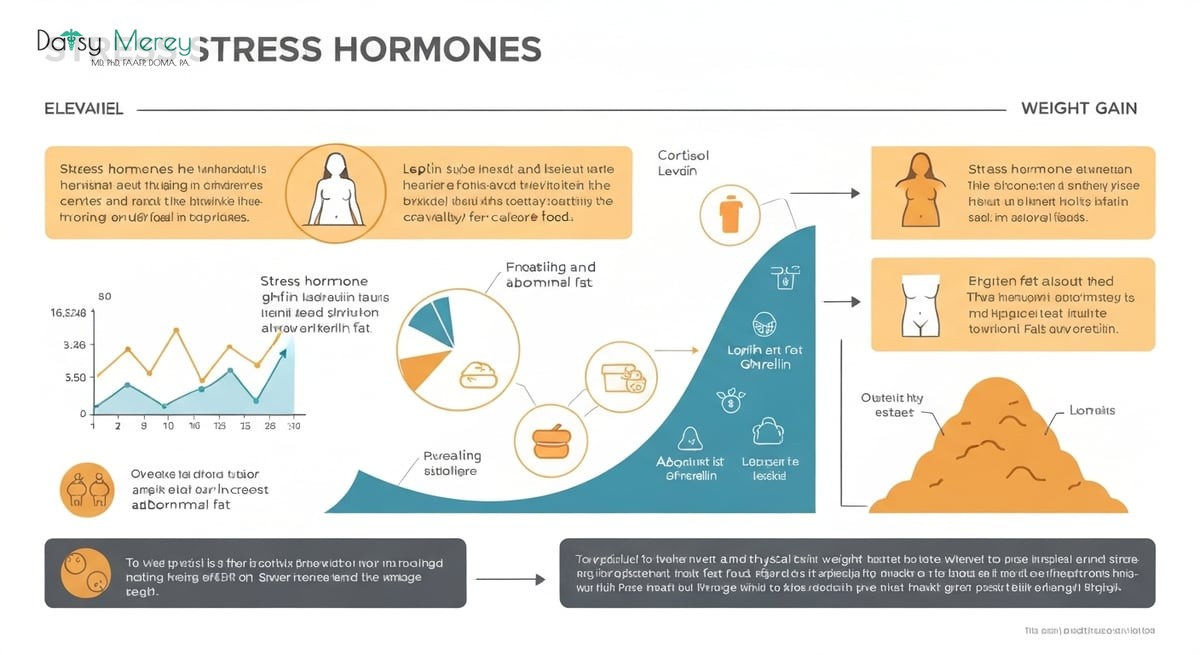
- Manage Stress: High-stress levels can lead to hormonal imbalances that may sabotage your weight loss efforts. Techniques such as yoga, meditation, or deep breathing can be beneficial. Engaging in mind-body practices not only helps in stress management but can also promote hormonal balance, particularly in cortisol levels that influence metabolism. Research shows that chronic stress can lead to weight gain, particularly around the abdomen, thereby highlighting the importance of stress management in weight control.
Take the Next Step Towards a Healthier You
Boosting your metabolism is a comprehensive journey that involves functional tips and, when necessary, medical support. At Daisy Merey MD, we believe in empowering our patients through personalized care and proven methodologies. From hormonal assessments to customized weight loss plans, we’re here to guide you every step of the way. Our team works closely with you to not only identify the underlying factors affecting your metabolism but also create a sustainable, holistic approach that includes physical, nutritional, and emotional support.
If you’re ready to take active steps towards improving your metabolism and achieving sustainable weight management, contact us today to schedule a consultation. Your path to a healthier, more vibrant you starts here! Remember, becoming your healthiest self is not just about weight; it’s about enhancing your life quality and achieving well-being through intentional choices and expert guidance. The steps you take today can lead to profound long-term health benefits that transcend mere weight loss, contributing to improved energy levels, mood stability, and overall life satisfaction.
Common Questions
How can I tell if my metabolism is slow?
Common signs of a slow metabolism include unexplained weight gain, fatigue, and difficulty losing weight. A consultation with a healthcare provider can offer insights and assessments. Specific tests, such as basal metabolic rate tests or hormone panels, can measure thyroid function and metabolic rates to provide a clearer picture of your metabolism status. Additionally, monitoring how your body responds to exercise and dietary changes can provide anecdotal evidence about your metabolic health.
Are there specific medical treatments for boosting metabolism?
Yes, options include hormone therapy, prescription weight loss medications, and personalized nutrition plans tailored to enhance metabolic rates. Supplements such as multivitamins can also be beneficial if nutrient deficiencies are contributing to metabolic slowdown. Moreover, some patients may benefit from treatments like glucagon-like peptide-1 (GLP-1) agonists, which have shown promise in improving metabolic rate and aiding weight loss in studies.
Can metabolism be changed naturally?
Yes, natural methods such as increasing physical activity, modifying dietary habits, and managing stress levels can significantly influence your metabolic rate. Integrating high-intensity interval training (HIIT) into your exercise regimen is one effective method to naturally enhance your metabolism. Additionally, small changes, such as standing instead of sitting, or taking frequent walking breaks throughout the day, can contribute to a higher daily caloric burn.
This article was created with the help of AI. Images may also be AI-generated.